The Pueblo Robotics Kit: Re-Engineering STEM for the World’s Remote Classrooms
Educational technology isn't successful because of what happens during a training session. It’s defined by what teachers can actually do after the training ends.
Since launching our programs at Pueblo Science, our mission has been simple: make hands-on STEM education accessible to everyone, regardless of geography or resources. But our journey with robotics taught us that affordability is only half the battle.
Back in 2017, we started using high-end commercial robotics kits. The engagement was incredible, but the price tag made scalability impossible for low-resource schools.
So, we pivoted to open-source Arduino platforms. They were affordable, but as we deployed them across rural regions in the Philippines, our local teachers hit a different wall: the steep learning curve of syntax-heavy programming and complex circuit troubleshooting.
True innovation isn't about adding more features—it’s about removing barriers.
In 2025, we took that feedback and redesigned the Pueblo Robotics Kit from the ground up:
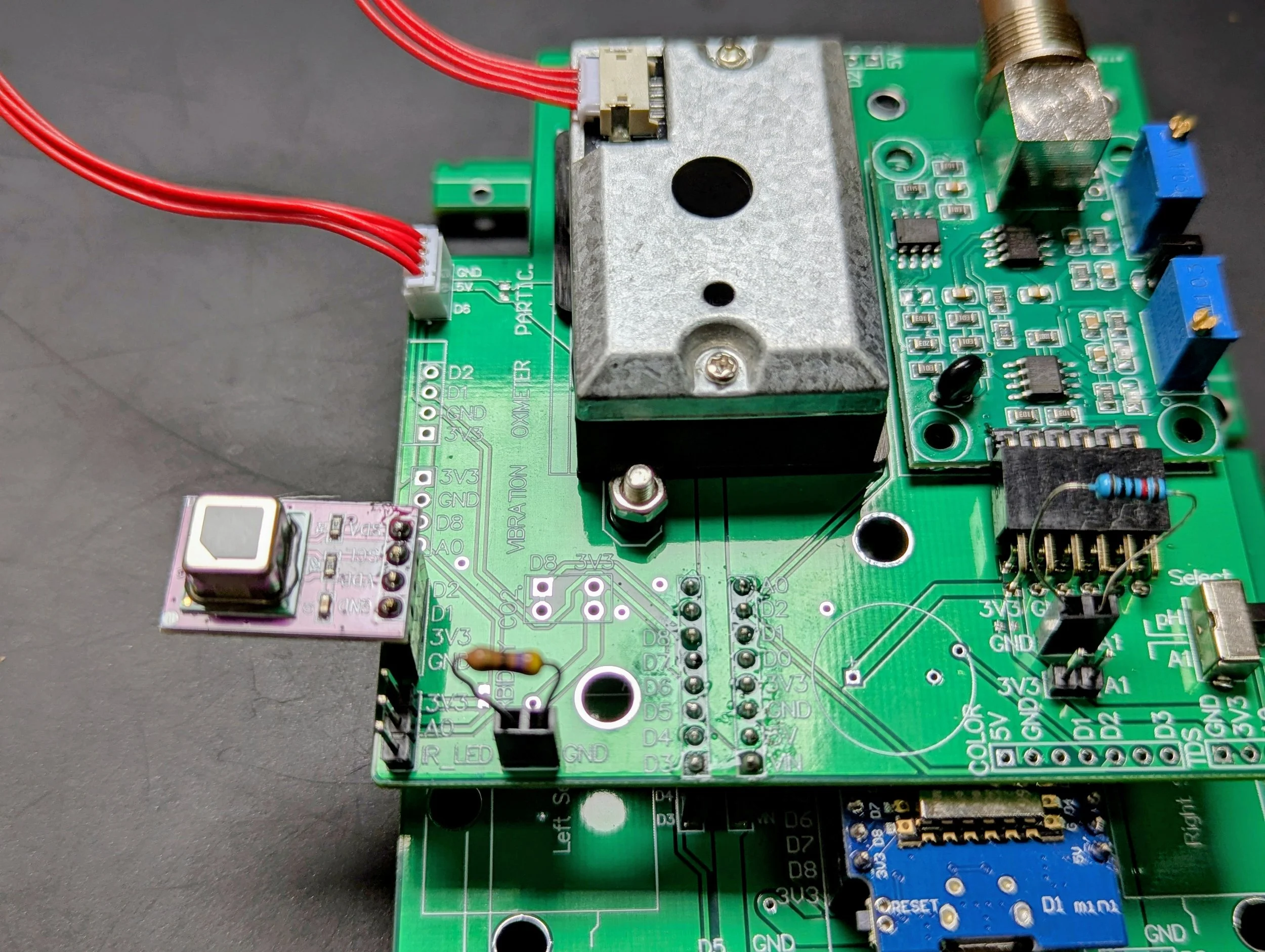
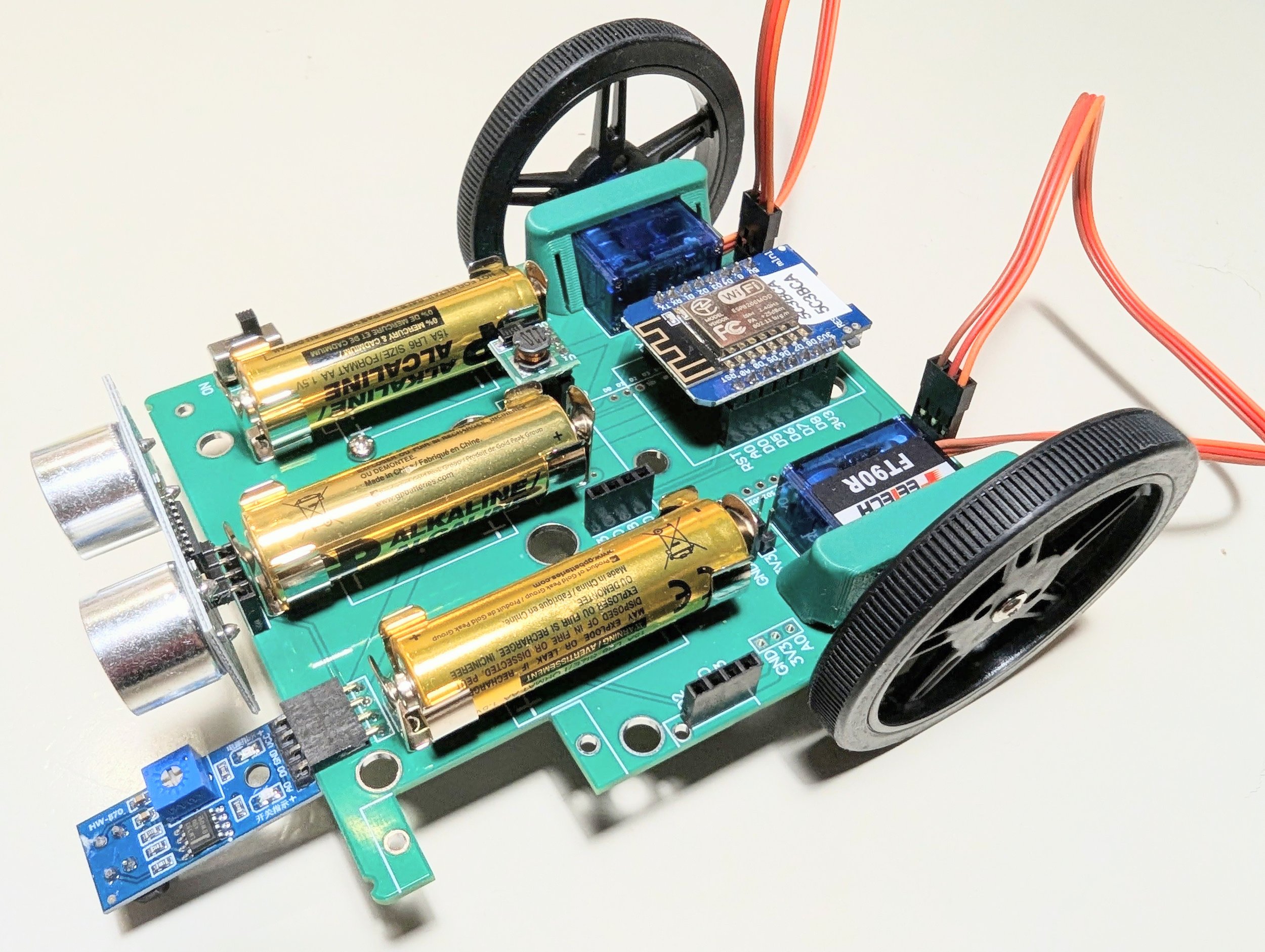
From 2 Hours to 20 Minutes: We engineered a custom printed circuit board (PCB) that simplified hardware assembly and virtually eliminated wiring errors.
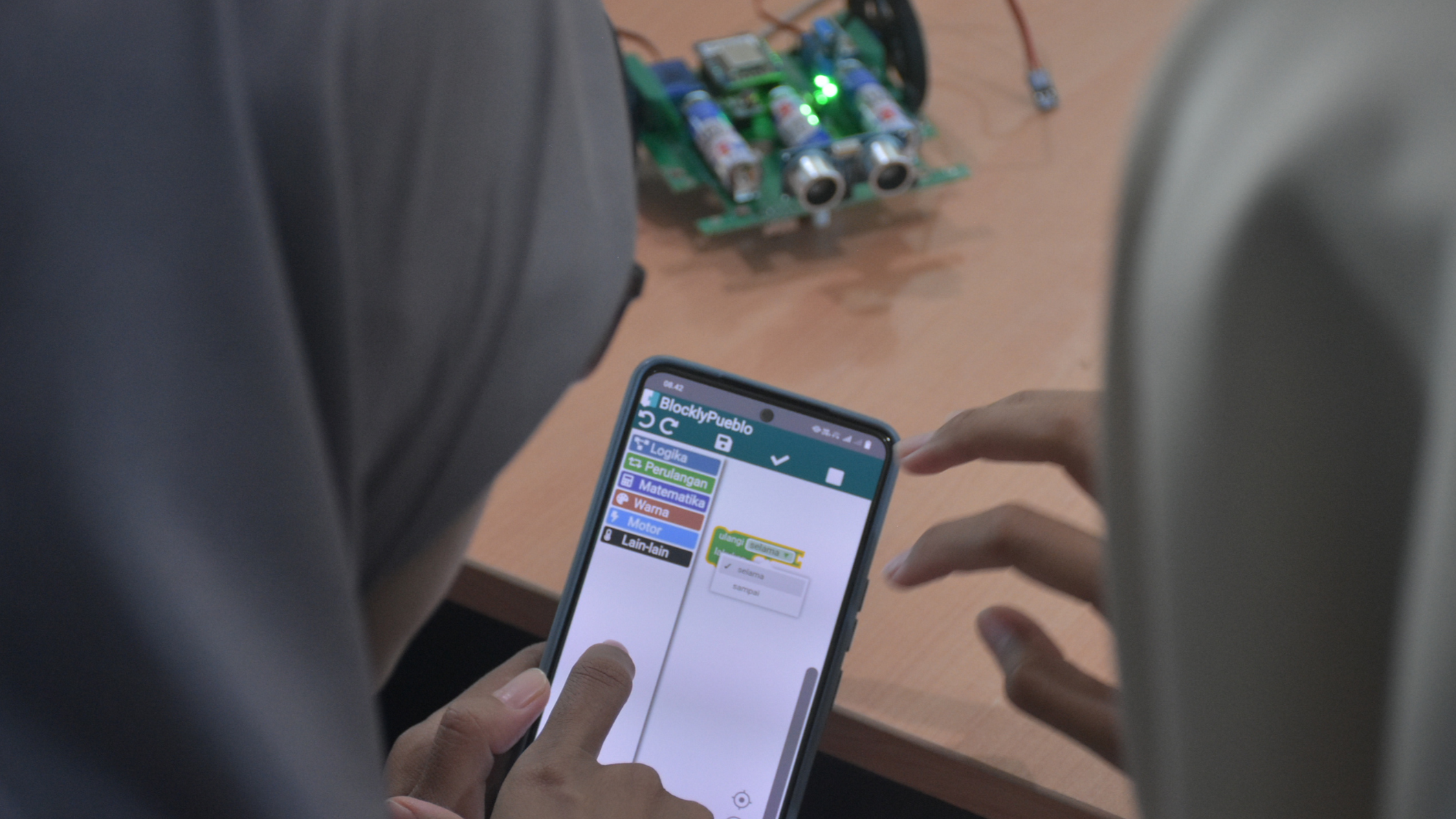
No More Syntax Terror: We introduced a hybrid block-based coding system, providing an accessible entry point for beginners while keeping standard programming options open for advanced learners.
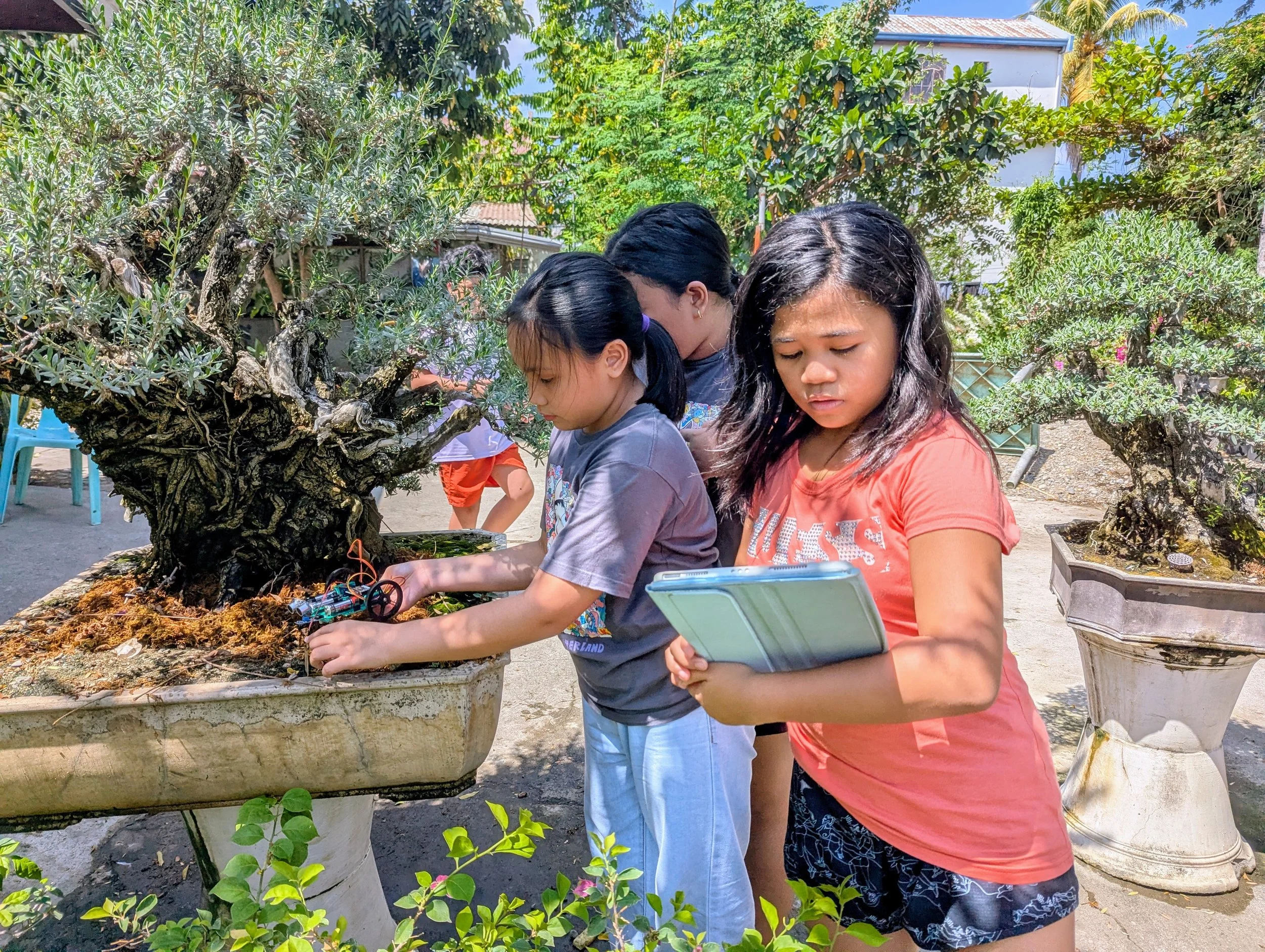
Real-World Context: We integrated local environmental sensors (like soil moisture, temperature and pH) so students can use their robots to solve local climate and agricultural challenges.
The results speak for themselves. Through 2025 and into 2026, we’ve trained more than 570 teachers and 520 students across Jakarta, South Kalimantan, and multiple regions in the Philippines. Most importantly, we aren't just seeing excitement—we’re seeing independent classroom execution.
Technology alone doesn't create impact. The most effective educational tools are the ones that build human confidence.
We are grateful for TD FEF support for helping us develop the environmental kit.